Forget the Algorithm: Gen Z Is Going Hyperlocal to Find the Music That Actually Matters
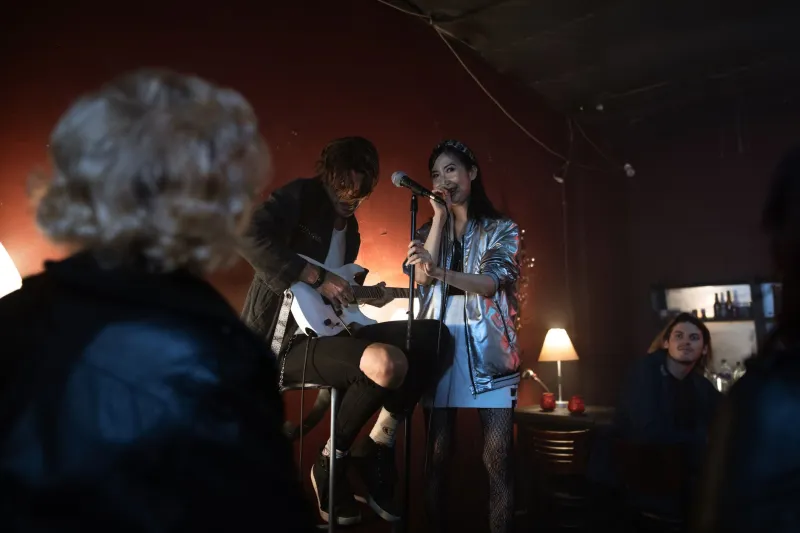
There's a show happening this Friday in a converted auto shop on the east side of your city. The band playing has maybe 400 Instagram followers, a SoundCloud page that hasn't been updated in eight months, and a loyal following of about 200 people who found them through a subreddit dedicated entirely to their metro area's underground music scene. Spotify has never recommended them to anyone. That's kind of the whole point.
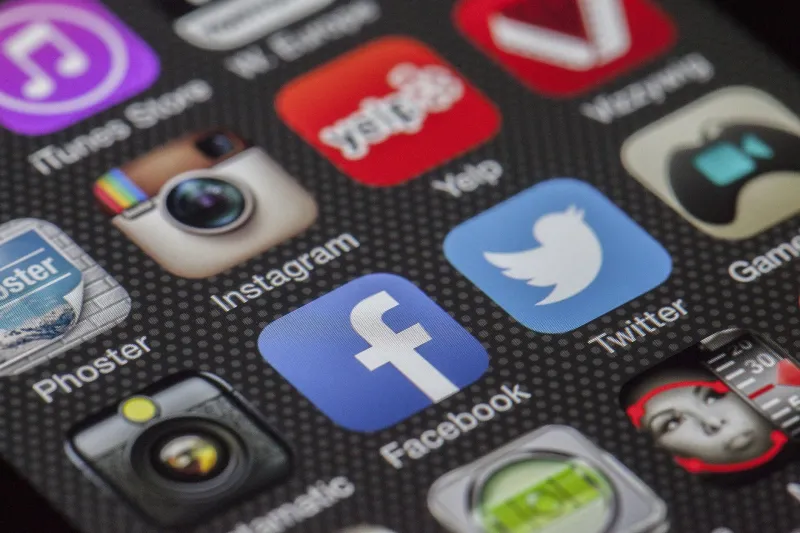
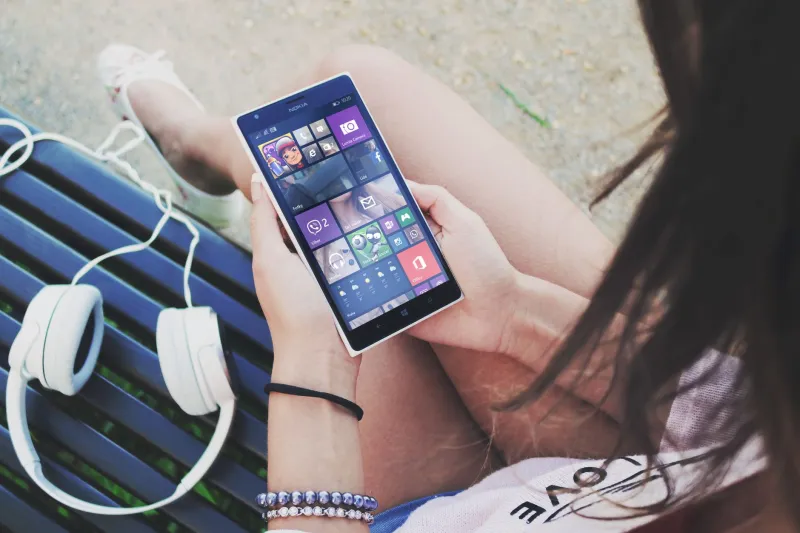
For all the talk about algorithms flattening the world and making music discovery borderless, a real counter-movement is quietly taking shape — and it's being led by the same generation that grew up on TikTok. Gen Z, the cohort that was supposed to be the algorithm's most loyal subject, is increasingly rejecting the global feed in favor of something far more intimate: the local scene.
The Algorithm Gave Us Everything Except a Sense of Place
Let's be honest about what algorithmic music discovery actually does well. It connects a kid in rural Ohio to a producer in Lagos. It surfaces a Chilean indie band to a listener in Portland who would never have stumbled across them otherwise. That's genuinely remarkable, and nobody serious is arguing against it.
But here's the thing nobody talks about: those same algorithms are terrible at geography. They don't know that your city has a thriving jazz-punk fusion scene centered around one specific bar on the south side. They can't tell you that a 19-year-old rapper from your neighborhood has been quietly building something special through a series of free shows at the local community center. The algorithm speaks every language except the one your city is whispering.
What gets surfaced is what's already working at scale — artists with momentum, content with engagement, sounds that travel. And when everything is optimized for global traction, the hyperlocal gets systematically buried.
Reddit, Discord, and the New Underground Railroad for Local Music
So Gen Z built something else. Not a new app, not a startup — just a loose, scrappy network of community-driven spaces where local music actually gets talked about.
City-specific subreddits have quietly become one of the most reliable places to find out what's actually happening in a local scene. Places like r/chicagomusic, r/LAmusic, or r/ATLHipHop aren't just message boards — they're living archives of show listings, demo drops, and genuine community debate about which local acts are worth paying attention to. The signal-to-noise ratio is surprisingly high, mostly because the audience is self-selecting. Nobody's gaming the algorithm here. You're either into your city's scene or you're not.
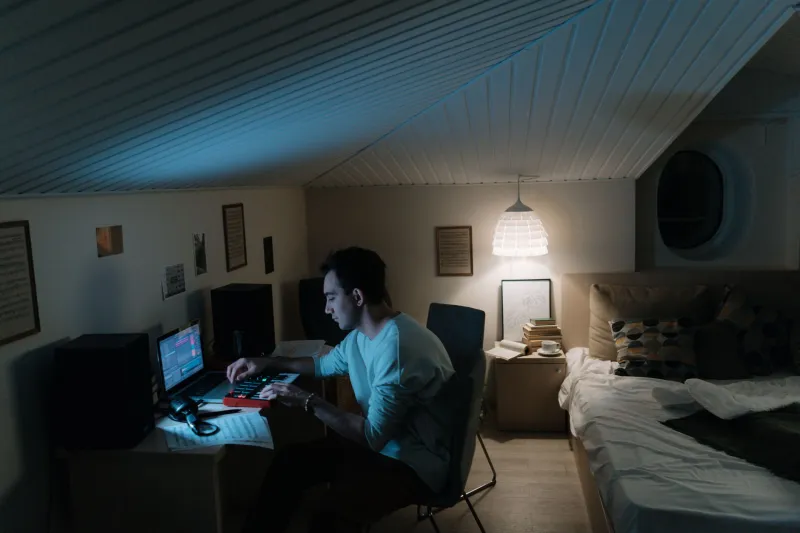
Discord has taken things even further. Private servers built around specific cities or even specific neighborhoods have become the real nerve centers of local music culture for younger listeners. These aren't public-facing communities designed for growth — they're tight-knit groups where people share Bandcamp links, coordinate carpools to shows, and argue passionately about which local venue has the best sound system. The exclusivity is the feature, not the bug.
Then there are the grassroots concert communities — informal collectives that organize DIY shows, backyard concerts, and pop-up performances specifically to create space for artists the mainstream pipeline would never touch. Groups like these exist in almost every mid-sized American city, and they operate almost entirely off the grid of traditional music industry infrastructure.
Why This Generation in Particular?
It's worth asking why Gen Z, of all groups, is the one pushing back on global algorithmic culture in favor of something smaller and more local. A few things are probably driving it.
First, there's the authenticity fatigue. When everything is curated, polished, and optimized for engagement, raw and unpolished starts to feel radical. A local artist playing to 50 people in a basement offers something a stadium-ready act simply can't — the sense that you're witnessing something real, something unmediated, something that hasn't been processed through seventeen layers of industry machinery.
Second, there's a growing awareness among younger listeners that the global algorithm isn't neutral. It has preferences. It rewards certain sounds, certain aesthetics, certain kinds of packaging. Plenty of Gen Z music fans have started to notice that their feeds look suspiciously similar regardless of where they live, and some of them find that kind of homogenization genuinely unsettling.
Third — and maybe most importantly — there's the social dimension. Going to a local show, knowing the artist, being part of a community that feels genuinely yours? That's something a playlist can't replicate. In an era defined by digital connection, physical presence and local belonging have started to feel like luxury goods.
What This Means for the Industry
The music industry has spent the better part of a decade reorganizing itself around the logic of virality. The bet was that if you could get a song to travel far enough, fast enough, everything else would follow. That model isn't going away — but it may be showing its limits.
If a meaningful portion of younger listeners are actively building parallel discovery systems that bypass the major platforms, that's a structural challenge the industry can't simply algorithm its way out of. You can't optimize for a community that's specifically organized around not being optimized.
Some labels and booking agencies have started paying closer attention to local Reddit threads and Discord servers precisely because they've figured out that authentic grassroots buzz in a specific market is increasingly hard to fake and increasingly valuable. The hyperlocal is becoming a new kind of A&R signal.
For artists, the implications are interesting too. Building a genuinely devoted local following — 500 people who will show up every time, tell their friends, and actually buy merch — might be a more durable foundation than chasing a viral moment that fades in two weeks. The artists who've figured this out tend to be the ones who treat their city not as a launching pad but as a home base.
Your City Has a Scene. Go Find It.
Here's the practical upshot of all this: the music that means the most to you might already exist within five miles of where you're sitting. It's just not going to come to you. You have to go looking.
Search your city's name on Reddit. Find the local music Discord. Ask at the indie record store if there's still one in your neighborhood. Check the telephone poles near the venue district for show flyers. Show up early and talk to the opener. Buy the cassette tape from the merch table even if you don't own a cassette player.
The algorithm will always be there when you get home. But the show happening this Friday in that converted auto shop? That's a one-time thing. And no recommendation engine in the world is going to tell you it's worth your time.
Sometimes the most global thing you can do is get deeply, stubbornly local.