Forget the DJ: How a Sound Born in Seoul or São Paulo Ends Up on Your Morning Commute Playlist
Not long ago, the path from foreign music to American airwaves was basically a toll road — expensive, slow, and controlled by a handful of powerful label executives who decided what US audiences were "ready" for. Spoiler: they usually decided Americans weren't ready for much. Then TikTok showed up and quietly blew the whole system open.
Today, a Brazilian funk beat, a Korean bedroom pop hook, or a Nigerian Afropop riff can rack up 50 million plays on TikTok before a single US radio programmer has even heard of the artist. And here's the wild part — now those programmers are watching TikTok to figure out what to play next. The algorithm has become the new A&R department, and it doesn't care what language you're singing in.
The New Gatekeepers (Hint: They're 19 and Live in Their Parents' Basement)
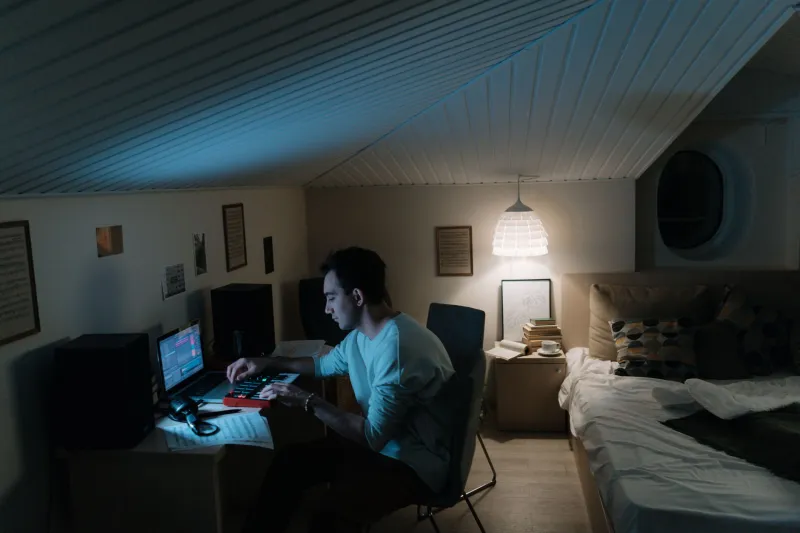
Let's be real about how this actually works. It doesn't start with a label. It doesn't start with a publicist. It starts with someone making a 10-second sound clip — sometimes not even a full song, just a loop, a hook, a vibe — and uploading it from wherever they happen to be in the world.
When Brazilian phonk producers started flooding TikTok with aggressive, bass-heavy edits a couple of years back, American creators latched onto the sound almost immediately. Not because a label told them to. Not because a playlist curator greenlit it. Because the sound felt right for the content they were already making — gym videos, late-night drives, highlight reels. The music fit the moment, and the moment was everywhere.
That's the mechanic that's changing everything. TikTok doesn't sort music by country of origin. It sorts by engagement. If a sound from Seoul is making people stop scrolling, it gets pushed to more people — including people in Cincinnati, Atlanta, and Phoenix who have never thought twice about Korean indie pop. Suddenly they're humming a melody they can't name in a language they don't speak, and they're going to Spotify to find it.
Radio Is Playing Catch-Up — And It Knows It
Here's something the radio industry won't always say out loud: streaming data has become one of the most important tools programmers use to decide what goes into rotation. And that streaming data is increasingly reflecting a global appetite that nobody planned for.
When a track starts trending in multiple US cities simultaneously — especially when it's driving real playlist saves and repeat listens — radio stations pay attention. It doesn't matter anymore if the song came out of a major label system or was recorded in a one-bedroom apartment in Medellín. If the numbers are real, the airplay tends to follow.
This is a genuine shift. For decades, the standard move was localization — take a foreign sound, find an American artist to recreate it, strip out anything too unfamiliar, and then release it. Think of all the Latin pop crossovers from the late '90s that got English-language versions pushed to radio while the original Spanish tracks were treated as secondary. That playbook is becoming obsolete, partly because American listeners have already heard the original on TikTok and they want that version, not a watered-down remake.
Why American Ears Are Changing
Something worth sitting with: American listeners didn't used to seek out music in other languages. Now a growing slice of them actively do. What changed?
Part of it is generational. Younger Americans grew up online in a way that older generations simply didn't. Their cultural references aren't limited by geography. They watched anime, played games developed in Japan and South Korea, followed creators from Brazil and Nigeria, and absorbed sounds from all over the world without really thinking of it as a foreign experience. It was just... content. It was just music.
That normalization is huge. The psychological barrier that once made a non-English song feel like homework — like something you had to try to appreciate — has basically dissolved for a significant chunk of the US audience. A catchy hook is a catchy hook, regardless of what language the verses are in. TikTok accelerated this by presenting global sounds in a format where language almost doesn't matter. You're responding to rhythm, melody, and energy — not lyrics.
The Artists Who Are Winning Without Waiting for Permission
What's genuinely exciting about this moment is what it means for artists outside the traditional US-UK music power structure. Producers in Lagos, vocalists in Seoul, beatmakers in São Paulo — they're not waiting for an American label to discover them and decide they're marketable. They're uploading directly, building fanbases organically, and in some cases watching their songs hit mainstream US playlists before they've ever set foot in the country.
This doesn't mean the major label system is dead. Far from it. But it does mean the entry point has changed. Going viral on TikTok in the US — even as a completely unknown international act — is now a legitimate path to radio consideration, sync deals, and real streaming revenue. The leverage has shifted, at least a little.
And for listeners, that means more of what's actually good gets through. Not everything that's popular on TikTok is great music, obviously. But the old filters weren't exactly a quality guarantee either. At least now the audience has more say.
What Comes Next
The honest answer is that nobody fully knows. The music industry is still figuring out how to monetize viral moments, how to sign artists who already have leverage, and how to build sustainable careers out of a system that rewards the 15-second hook over the full album.
But the direction is clear. The sounds coming out of non-English speaking markets aren't waiting for American radio to give them a seat at the table. They're building their own table, one TikTok sound at a time — and American listeners are pulling up a chair.
Your morning commute playlist is never going to sound the same again. Honestly? That's a pretty good thing.