Three Platforms, Three Gatekeepers: How TikTok, YouTube, and Instagram Are Deciding Which Global Artists You'll Ever Hear
There's an artist in Lagos right now making music that would absolutely wreck your speakers. There's another one in Manila crafting pop hooks that would feel right at home on any American Top 40 playlist. And there's a producer in Bogotá whose beats are so fresh they'd make half of Billboard's Hot 100 feel dated.
You've probably never heard any of them.
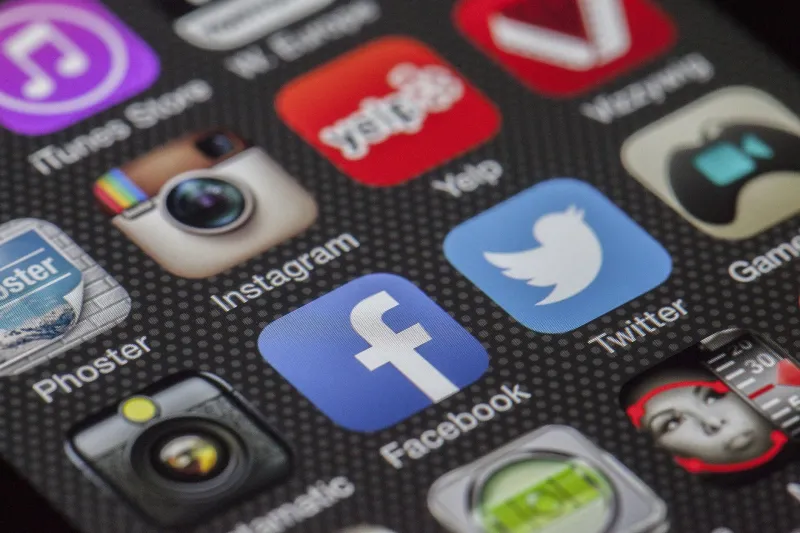
Not because the music isn't good enough. Not because there's no audience. But because the three most powerful gatekeepers in modern entertainment — TikTok, YouTube, and Instagram — are locked in a quiet, brutal war over your attention, and the casualties are the artists who can't figure out how to win on all three fronts at once.
The Algorithm Isn't Neutral — It Has an Agenda
Here's something the platforms won't say out loud: every recommendation system reflects a set of priorities that has nothing to do with musical quality and everything to do with keeping you on the app longer. TikTok's For You Page rewards short, hooky, trend-adjacent content. YouTube's algorithm favors watch time, consistency, and subscriber engagement. Instagram's Reels push visually polished content that drives saves and shares.
Those aren't just technical differences. They're completely different definitions of what "good" looks like — and they disproportionately filter which international artists ever get a shot at US audiences.
A Nigerian Afrobeats artist whose music is built for long, immersive listening experiences might rack up serious streams on YouTube but get completely buried on TikTok, where the algorithm punishes anything that doesn't hook a viewer in the first two seconds. A hyperpop producer from South Korea might blow up on TikTok thanks to a viral sound clip but struggle to convert that into YouTube subscribers because their content strategy doesn't support the longer-form format the platform rewards.
The result? An artist can have millions of fans on one platform and be functionally invisible on another — and in 2024, invisibility on any major platform is basically invisibility in America.
The Multi-Platform Grind Is Becoming a Full-Time Job
Ask any independent artist trying to break into the US market and they'll tell you the same thing: managing three separate algorithmic systems is exhausting, and most people can't afford to do it well.
It's not just about posting the same content everywhere. Each platform wants something different. TikTok wants raw, spontaneous, trend-reactive content — ideally filmed vertically, ideally under 60 seconds, ideally featuring a sound that's already trending. YouTube wants long-form consistency, regular upload schedules, and content that holds attention for minutes, not seconds. Instagram wants aesthetic coherence, high production value, and content that fits neatly into the visual identity you've been building for months.
For an independent artist in Accra or Jakarta who's working without a marketing team, a content strategist, or a label budget, this isn't just challenging — it's a structural disadvantage that favors artists who are already established enough to hire people to handle it for them.
Major labels figured this out fast. They now have dedicated platform teams for each app, specialists who understand the nuances of each algorithm and can optimize content accordingly. Independent global artists are trying to compete with that using a phone and a prayer.
When Platforms Go to War, Artists Get Caught in the Crossfire
The competition between platforms has gotten ugly in ways that directly affect creators. When TikTok and Universal Music Group had their licensing dispute earlier this year, thousands of artists had their music pulled from the app overnight. Artists who had spent months building momentum on TikTok watched their growth stall in real time while the two corporations negotiated.
That's the part nobody talks about enough: artists don't just have to game the algorithms. They're also subject to the business decisions, licensing disputes, and geopolitical pressures that swirl around these platforms at the corporate level. And when those disputes happen, the artists — especially independent ones without label backing — have essentially zero leverage.
The TikTok situation in the US has added another layer of uncertainty. With ongoing regulatory pressure and the possibility of a ban still hovering in the background, artists who built their entire discovery strategy around the platform are now hedging, scrambling to rebuild audiences on YouTube and Instagram just in case. That's time and energy that isn't going into making music.
Some Artists Are Cracking the Code — But It's Not Pretty
There are artists who've figured out how to work all three systems, and studying how they do it is genuinely fascinating. They're not just making good music — they're essentially running three parallel content businesses that happen to share a sonic identity.
The ones who break through tend to do a few things consistently. They create a "hero" piece of content — usually a song or a moment — that works natively on TikTok, then build out longer-form content on YouTube that gives fans a reason to go deeper. Instagram becomes the visual brand layer, the thing that makes them look like a global artist even before they are one.
It's a playbook that rewards a very specific kind of creator: someone who's not just musically talented but also media-savvy, visually literate, and willing to treat content creation as seriously as songwriting. That's a real skill set, and it's not evenly distributed. Artists from countries with strong creator economies — South Korea, Brazil, Nigeria — often have a leg up because their industries have been navigating this multi-platform reality longer.
What This Means for the Sounds That Reach America
Here's the uncomfortable truth: the platform wars aren't just a business story. They're a cultural curation story. The algorithms aren't discovering the best global music and surfacing it to American audiences. They're discovering the music that performs best within their specific engagement metrics — and those metrics were built around American user behavior and American content norms.
That means the global sounds that reach the US are often the ones that were already shaped, consciously or not, to appeal to Western algorithmic preferences. The rougher edges get smoothed. The longer, more complex structures get chopped into clips. The cultural context that makes the music meaningful in its home country gets stripped away in favor of whatever 15-second hook will make someone stop scrolling.
Some artists navigate this brilliantly and still make music that feels authentically theirs. But plenty of others end up making a version of their music that's optimized for discovery and hollowed out of the thing that made it special.
The platform wars will keep escalating. New features will launch, algorithms will shift, and the rules of the game will change again before most artists can catch up. What won't change is the fundamental tension at the center of all of it: three massive corporations are deciding, through the architecture of their recommendation systems, which voices from around the world are worth amplifying — and which ones never get heard at all.
That's a lot of power for a machine to have. And right now, nobody's really asking whether it should.