American Gen Z Is Obsessed With a Music Scene That Doesn't Have an English Name Yet
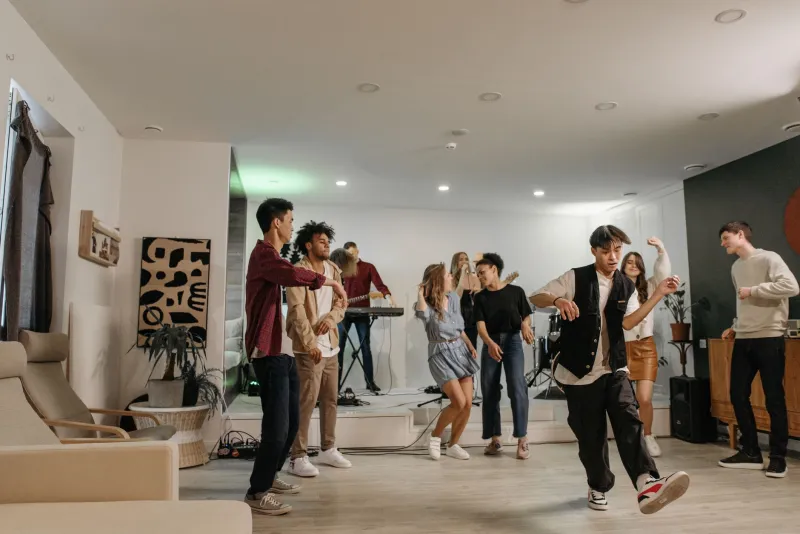
If you ask a 19-year-old in Portland or Philadelphia or Nashville what they've been listening to lately, there's a decent chance the answer involves a genre you've never heard of, from a country you might not immediately locate on a map, performed by artists whose names your autocorrect will absolutely butcher. And the kid will be totally fine with all of that.
The genre is called amapiano. Or maybe you're hearing about city pop having a moment again. Or possibly it's cumbia sonidera, or afro-fusion, or any number of regional music movements that are currently circulating through Gen Z underground spaces with the kind of feverish energy that usually precedes a full mainstream explosion. The specific genre almost doesn't matter — what matters is the pattern, and the pattern is undeniable.
American Gen Z is actively seeking out international music that exists almost entirely outside the English-language ecosystem, and they're not waiting for anyone to translate it for them.
The Scene Nobody Saw Coming
Let's talk specifically about amapiano, because it's the most instructive case study right now. Originating in South African townships in the late 2010s, amapiano is a genre built on log drum bass lines, jazzy piano melodies, and a tempo that sits somewhere between house and deep groove. It's been massive in South Africa, Zimbabwe, and across sub-Saharan Africa for years. Its biggest artists — names like Kabza De Small, DJ Maphorisa, and Focalistic — are filling stadiums on a continent most American music media ignores entirely.
In the US, amapiano has been building quietly in Black American communities, particularly in cities with significant African diaspora populations like Houston, Atlanta, and the DC metro area. But it's also been spreading far beyond those communities, into corners of Gen Z culture that have no obvious connection to South African music history.
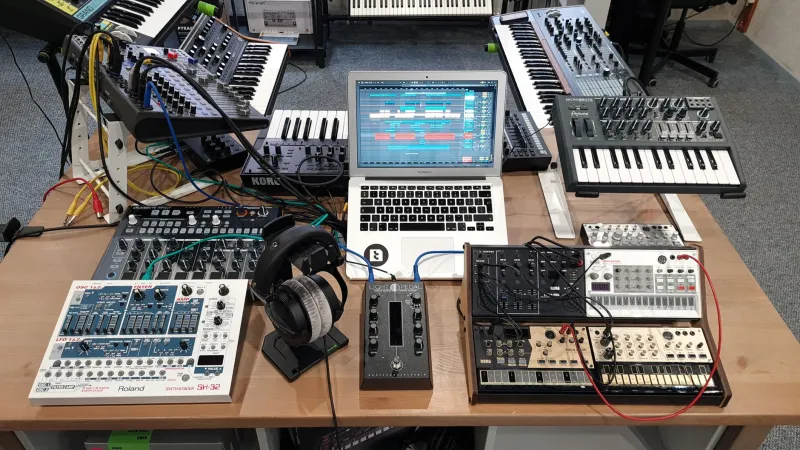
Discord servers dedicated to amapiano production have thousands of members. YouTube channels breaking down the genre's theory and history pull hundreds of thousands of views. TikTok creators are using amapiano tracks as the sonic backdrop for everything from fashion content to cooking videos to political commentary. The music is everywhere in these spaces — and almost none of it comes with an English translation or mainstream US promotion behind it.
Why This Generation Doesn't Need a Translation
Here's what's genuinely new about this moment: previous generations of American music fans also discovered international music, but they typically did so through intermediaries. A British band covered an American blues song and that's how white audiences found the blues. A US label signed a reggae artist and packaged them for American consumption. The content traveled through institutional channels that smoothed over linguistic and cultural friction.
Gen Z is largely bypassing those channels. They're finding the original, unfiltered versions of international music through algorithmic recommendations, through diaspora community spaces online, through fan-made content that spreads the music without contextualizing it for American audiences. And critically, they seem to prefer it that way.
There's a real cultural logic here. This generation grew up watching anime with subtitles and didn't find that strange. They followed K-pop groups whose music was primarily in Korean. They've built a comfort with non-English content that previous American generations simply didn't have, because they never had consistent access to it at scale.
When you're already fluent in the experience of loving something you can't fully linguistically decode, a South African dance genre with Zulu and Sotho lyrics is just... another thing to love. The barrier that would have stopped a 1990s American teenager barely registers.
The Underground Infrastructure
What makes this particularly interesting is the infrastructure Gen Z has built to support these obsessions. It's not passive consumption — it's active, organized, and surprisingly sophisticated.
Reddit communities dedicated to international genres often have American members who've learned enough of the source language to translate lyrics for other fans. Discord servers function as real-time music education spaces where someone who grew up in Johannesburg explains the cultural context of a track to someone in suburban Ohio who just discovered it last week. Fan wikis document discographies and regional scenes with the kind of thoroughness that used to require a music journalist with an actual publishing budget.
This infrastructure matters because it creates self-sustaining communities that don't need mainstream media validation to survive. A genre can grow a genuine American fanbase entirely within these spaces, building momentum for years before any US label or publication notices. By the time the industry catches up, the underground has already done the work.
What Comes Next
Every underground music scene that's ever crossed into the American mainstream followed a similar trajectory: years of organic growth in subcultural spaces, a tipping point moment where a high-profile co-sign or viral moment breaks it into broader consciousness, and then the inevitable industry rush to capitalize. K-pop, Afrobeats, reggaeton — they all followed some version of this path.
Amapiano is probably a year or two away from its tipping point in the US. The infrastructure is there. The fanbase is there. The streaming numbers are quietly growing. All it needs is the moment — a Grammy performance, a high-profile sample, a viral TikTok format that explodes into mainstream feeds — and the conversation will shift overnight from underground obsession to mainstream phenomenon.
But here's what's worth paying attention to before that happens: the way Gen Z is engaging with it now, in the underground phase, is revealing something important about how American cultural consumption is changing. They're not waiting for the industry to package international content for them. They're not requiring English translations or cultural primers or familiar reference points. They're going directly to the source, building their own context, and finding their own reasons to care.
That's a fundamentally different relationship between American audiences and international culture than anything that existed before. And whatever genre explodes next — amapiano, or something we haven't named in English yet — it'll be because Gen Z decided it was worth their time, not because anyone in the American music industry told them it was.
The gatekeepers used to decide what crossed over. Now the kids are just... crossing over themselves.