He's a Nobody in Hollywood — But in Brazil, He Can't Leave His Hotel
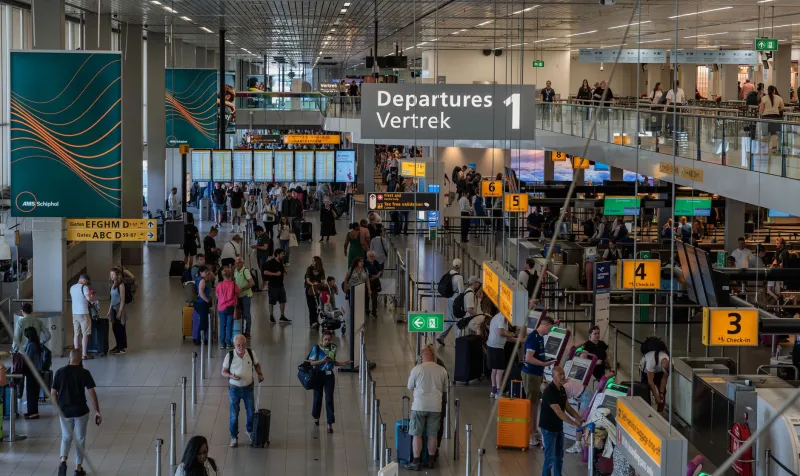
Imagine landing at an airport and being swarmed by screaming fans. Security is overwhelmed. Someone is crying. Your name is being chanted in a language you barely speak. Now imagine that this happens every time you visit a country where, by most Hollywood standards, you're considered a B-list actor at best.
This is the quiet, strange, and genuinely fascinating reality for a surprising number of American performers. They've built massive parallel careers in international markets — particularly in Brazil, Mexico, Turkey, and South Korea — that dwarf anything they've achieved at home. And most of their American fans, if they have any at all, have absolutely no idea.
The Dubbing Economy Nobody Talks About
Here's something the entertainment industry doesn't advertise: when a TV show gets dubbed for a foreign market, the voice actors in that country sometimes become more beloved than the original cast. But the original actors still get the credit, the posters, and the fan devotion — just redirected through a cultural lens that amplifies everything.
Brazil has one of the most passionate and organized fan cultures on the planet. Brazilian telenovela audiences have been building intense parasocial relationships with performers for decades. When American streaming content arrived and gave them access to Hollywood actors, they brought that same energy with them. A mid-level American actor who appeared in three seasons of a moderately successful Netflix drama might have 4 million Brazilian Instagram followers they didn't really earn through traditional means — and yet those followers are real, loud, and deeply committed.
The numbers get wild quickly. Actors who couldn't headline a US theatrical release have sold out convention appearances in São Paulo. Performers with fading American careers have found second winds through Brazilian fan campaigns that trend globally on Twitter. One actor, who asked not to be named in a recent industry interview, described showing up to a meet-and-greet in Rio expecting maybe 200 people and finding over 3,000 waiting in line before the doors opened.
Streaming Platforms Are the Great Redistributors
Netflix, Disney+, and Amazon Prime didn't just give international audiences access to American content — they accidentally created a global celebrity redistribution system. When a show gets recommended by an algorithm in São Paulo or Mexico City or Jakarta, it doesn't come with a cultural hierarchy attached. The show is just... the show. And whoever is in it becomes whoever the audience decides they are.
This is fundamentally different from how Hollywood stardom used to travel internationally. In the old model, only the biggest names made it overseas — your Tom Cruises, your Julia Robertses. Now, a character actor who plays a lovable side character in a mid-budget streaming thriller can accidentally become someone's entire personality in another country.
The streaming platforms know this is happening and are quietly capitalizing on it. Promotional tours increasingly route through non-English-speaking markets specifically because the fan response is so much more intense. An actor who can barely fill a press junket room in Los Angeles might generate a social media blackout in Buenos Aires.
What It Does to the Actors
The psychological experience of this kind of split fame is genuinely strange, and the few actors who've spoken openly about it describe something close to disorientation. You spend most of your professional life in a city that barely registers your existence. Then you get on a plane and land somewhere you can't fully communicate, and suddenly you understand, viscerally, what it must feel like to be someone like Beyoncé or Dwayne Johnson in the US.
Some actors have leaned into it hard. They've learned basic phrases in Portuguese or Spanish. They engage with international fan accounts in ways they never bother to do domestically. A few have started taking roles specifically because of how they'll play in certain international markets — a calculation that would have seemed bizarre in the pre-streaming era.
Others find it unsettling. The disconnect between their day-to-day American reality and their international celebrity status creates a kind of cognitive friction that's hard to resolve. You're not famous enough at home to have a publicist who manages fan interactions, but you're famous enough abroad that not managing them feels irresponsible.
The Fan Clubs Running the Show
Brazilian fan clubs, in particular, are extraordinarily organized. They run social media campaigns with the precision of marketing agencies. They coordinate streaming parties to boost numbers. They pool money to send gifts, fund billboards, and occasionally fly members to international events. They are, in a very real sense, doing the work that a mid-tier American actor's PR team either can't afford or hasn't thought to do.
This creates an interesting power dynamic. The fan clubs become the primary interface between the actor and their international audience. They curate the narrative. They decide which moments get amplified and which controversies get buried. In some cases, they know more about managing the actor's international reputation than the actor's own team does.
And because these fan clubs operate largely in Portuguese or Spanish, they're essentially invisible to American entertainment media. The whole ecosystem — the devotion, the drama, the campaigns, the culture — runs in parallel to Hollywood without ever really intersecting with it.
Why This Matters Beyond the Novelty
This isn't just a fun celebrity trivia story. It points to something genuinely significant about how global entertainment culture is reorganizing itself. The old model assumed that fame flowed outward from a few powerful centers — Hollywood, primarily — and diminished as it traveled. The further from the source, the weaker the signal.
What's actually happening now is more like a network than a broadcast. Fame pools in unexpected places. It amplifies through local culture in ways the original source never anticipated or controlled. An actor doesn't have to be globally famous in the traditional sense — they just have to land in the right ecosystem at the right time.
For American audiences, the takeaway is this: the celebrity hierarchy you think you understand is only one layer of a much stranger, more interesting global system. Somewhere out there, a person you've never heard of is getting mobbed at an airport in a city you've never visited, and the crowd is chanting a name you'd recognize from a show you stopped watching two years ago.
Welcome to the new map of fame. It doesn't look anything like the old one.