How Anime Stopped Being a Subculture and Started Running American Pop Culture
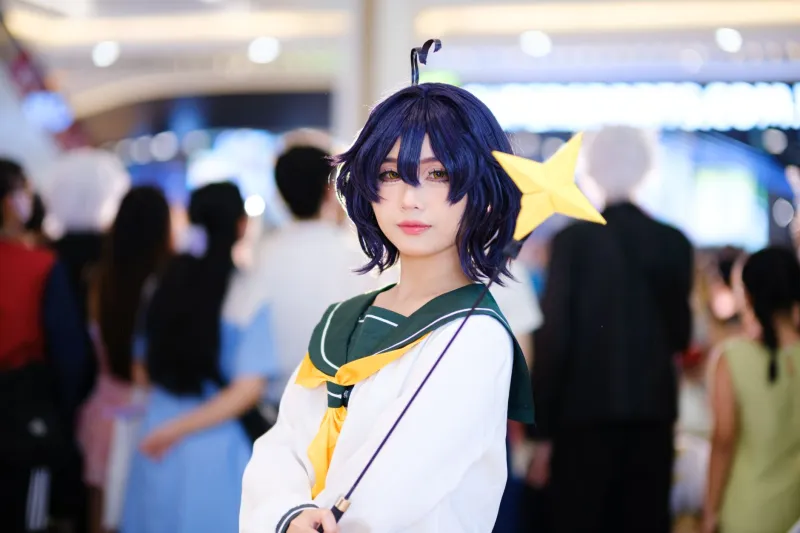
There was a time — not even that long ago — when being an anime fan in America meant explaining yourself a lot. You watched what? The cartoons? From Japan? You had to defend your taste at the lunch table, justify your weekend plans, and sometimes hide your DVD collection from people who just wouldn't get it.
That time is over. And honestly? It ended faster than most people noticed.
From Saturday Morning Blocks to Streaming Dominance
Anime's American journey has always been more complicated than it looks. Plenty of US kids grew up watching Dragon Ball Z on Cartoon Network's Toonami block or catching Pokémon before school without fully registering that they were watching Japanese animation. The connection was there, but it was mediated — dubbed, edited, repackaged for American sensibilities.
What changed everything was streaming, and specifically what Netflix, Crunchyroll, and Funimation did with access. When you can watch Attack on Titan with subtitles at 2 a.m. on your phone, the barrier between casual viewer and committed fan drops dramatically. Crunchyroll alone now reports over 13 million paying subscribers globally, with a massive chunk of that audience based in North America. Netflix has invested heavily in original anime productions and licensing deals, recognizing that the demand is real and growing.
The pandemic accelerated all of it. People stuck at home in 2020 burned through every show in their queues and started exploring. Demon Slayer: Mugen Train became the highest-grossing anime film of all time. Jujutsu Kaisen exploded seemingly overnight. And a whole new wave of American viewers discovered that anime wasn't a genre — it was a medium capable of covering every genre imaginable, with storytelling ambition that rivaled prestige TV.
TikTok Did Something Nobody Expected
If streaming opened the door, TikTok blew it off the hinges.
The platform's short-form video format turned out to be perfectly designed for anime culture. Clips of iconic fight scenes, reaction videos, fan edits set to trending audio, "explain this anime in 60 seconds" formats — all of it spread like wildfire across For You pages, reaching people who had never considered watching anime before. A 15-second clip of a particularly emotional scene from Your Lie in April could make someone cry, go look up the show, and start a full binge within the same evening.
Gen Z, the generation that essentially grew up with algorithmic content delivery, embraced anime without the self-consciousness that older generations sometimes brought to it. For a lot of younger Americans, anime is just... TV. Good TV. The same way K-pop is just music. The cultural gatekeeping that once surrounded these art forms has largely dissolved, at least among younger audiences.
The Convention Economy
Want a real-world measure of how mainstream anime has become? Look at the convention numbers.
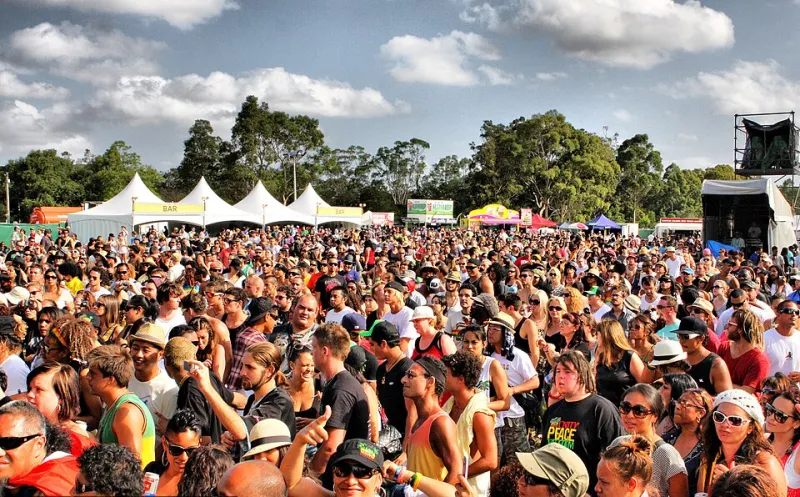
Anime Expo in Los Angeles drew over 115,000 attendees in 2023, making it one of the largest fan conventions in the country — comparable in scale to events that cover all of pop culture rather than a single medium. Crunchyroll Expo, Fan Expo, Otakon — these events are selling out faster and drawing bigger crowds year over year.
And the economic footprint extends well beyond ticket sales. Merchandise, cosplay materials, art prints, figurines, exclusive apparel drops — the anime economy in the US is worth billions of dollars, and major brands have taken notice. Uniqlo's UT line regularly features anime collaborations that sell out immediately. Luxury streetwear brands have partnered with anime studios. Nike has done Dragon Ball Z collabs. This is not niche commerce anymore.
For the creative industry, the implications are significant. American animation studios are studying anime storytelling structures. Streaming platforms are funding US-based anime-inspired productions. Voice acting as a career path has gained new visibility and respect, with English dub casts developing genuine fanbases of their own.
The Cultural Crossover
Pop culture's relationship with anime is now completely out in the open. Rappers like Lil Uzi Vert, Denzel Curry, and Playboi Carti have built visual identities that draw heavily from anime aesthetics. Kanye West has cited anime as a creative influence for years. Billie Eilish grew up watching Studio Ghibli films and has talked about their impact on her artistic sensibility.
This isn't posturing. It reflects the reality that an entire generation of American creatives absorbed anime as part of their cultural diet growing up, and those influences are now showing up in their work naturally. The aesthetics, the emotional intensity, the willingness to go to dark or surreal places narratively — all of that is seeping into American music videos, fashion, gaming culture, and visual art.
What Fans and Creators Say Changed
Talk to longtime anime fans and you'll get a mix of genuine excitement and complicated feelings about the mainstreaming of something they once had to fight for. There's real joy in not having to explain yourself anymore, in seeing the medium get the credit it deserves. There's also, for some, a sense of loss around the intimacy of a smaller community.
Creators — both in Japan and in the American localization and production space — tend to be more straightforwardly enthusiastic. The audience is larger than it's ever been, the budgets are growing, and the respect for the craft is increasing. Studios like MAPPA and Ufotable have become names that American fans recognize and follow with the same loyalty they'd give a prestige TV production company.
What's Next
The honest answer is that nobody really knows, and that's actually exciting. Anime's American moment doesn't feel like a bubble — it feels like a reset of what mainstream entertainment can look like. The medium is too diverse, too deep, and too creatively ambitious to be reduced to a trend.
What's coming is more original production, more crossover collaboration, more mainstream awards recognition, and probably more arguments on the internet about which arc is the best arc. And honestly? That sounds about right.
Global culture has a way of finding its audience eventually. Anime just happened to find its American moment right now — and it arrived fully formed, with decades of incredible storytelling already waiting to be discovered.