Trend Laundering: How Western Brands Profit From Viral Moments They Didn't Create
Somewhere between the original upload and the Urban Outfitters email blast, something gets lost. A name. A context. A person.
That's the quiet transaction happening dozens of times a year now — a creator in Chennai, Nairobi, or Medellín posts something genuinely original, it catches fire on TikTok, and within weeks a Western brand has reverse-engineered the aesthetic, slapped it on a product line, and called it "globally inspired." No credit. No licensing fee. No conversation.
The speed at which this happens has become almost absurd. What used to take years — a subculture bubbling up, getting noticed by a tastemaker, eventually landing in a mood board at some agency — now takes about a month. Maybe less. And the communities who created the original moment are often left watching from the outside.
The Pipeline Is Faster Than Anyone Expected
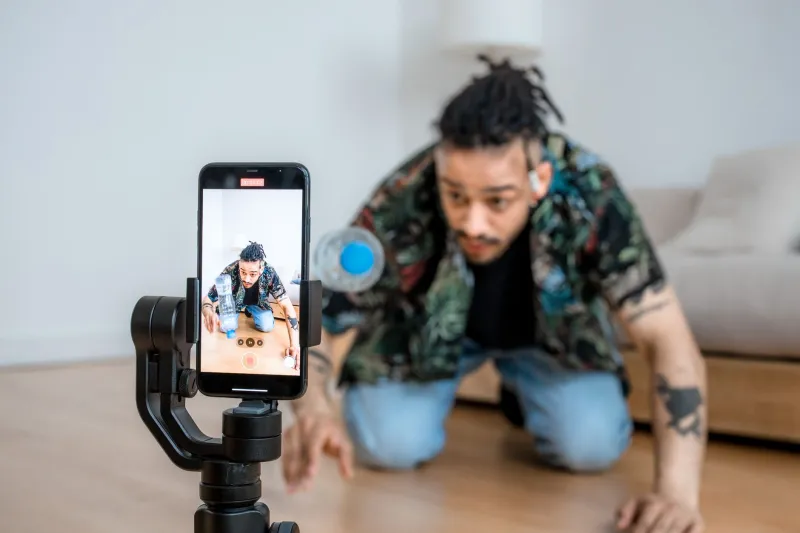
Here's how it typically works. A creator posts a short video — maybe it's a specific style of garment tied a particular way, maybe it's a dance that references a regional festival, maybe it's a makeup technique rooted in a specific cultural tradition. The algorithm doesn't care about geography. It just sees engagement. So it pushes the content outward, first regionally, then globally.
By the time the video hits 10 million views, trend forecasters — yes, that's a real job, and there are entire firms dedicated to it — have already catalogued it. They're selling reports to retail brands, fashion houses, and marketing agencies. Those brands move fast. Concept to product can happen in under eight weeks with modern fast-fashion infrastructure. The original creator? They're not in that conversation at all.
This isn't a new problem, exactly. Western fashion has always borrowed — often without asking — from cultures around the world. Ikat prints, henna patterns, Andean textiles. The history is long and uncomfortable. But TikTok has turbocharged the cycle to a degree that makes the old dynamics look almost quaint.
The Indian Dance Moment That Sparked a Bigger Conversation
Earlier this year, a specific style of movement rooted in classical Indian dance forms started spreading across TikTok in a way that caught a lot of people off guard. It wasn't a choreography challenge in the traditional sense — it was more of a visual language, a way of moving hands and eyes that referenced Bharatanatyam and Kuchipudi traditions going back centuries.
Creators in India, particularly younger women blending classical training with contemporary music, were doing something genuinely interesting — honoring a tradition while making it feel immediate and shareable. The videos were beautiful. They traveled.
And then came the remixes. Some were respectful, curious, the kind of cross-cultural exchange that actually works. But others were more extractive — the aesthetic lifted, the context dropped, the origin story nowhere in the caption. A few Western influencers amassed hundreds of thousands of likes doing versions of the movement with zero acknowledgment of where it came from. Fashion accounts started pairing similar aesthetics with clothing hauls. The visual language got absorbed into a broader "boho" or "maximalist" trend cycle with no fingerprints left behind.
The original creators noticed. And they said so.
"Going Viral" Doesn't Mean "Getting Paid"
There's a persistent myth that virality is its own reward — that if your content blows up, you've already won. Creators in emerging markets are increasingly pushing back on that idea, and they have a point.
Going viral on TikTok, even massively viral, doesn't automatically translate to income if your monetization infrastructure isn't set up to capture it. TikTok's creator fund payouts are notoriously inconsistent and vary wildly by region. Brand deals tend to flow toward creators with large Western followings, even when the original trend came from somewhere else. The algorithm surfaces the content; the money doesn't necessarily follow it home.
What's changing is that more creators are getting strategically savvy about this before the wave crests. Some are launching merchandise drops timed to viral moments. Others are moving audiences to platforms where they have more control — newsletters, Patreon, direct-to-consumer shops. A growing number are partnering with regional brands first, before the Western ones come calling, so there's an established commercial relationship already on record.
It's not a perfect solution. But it's a shift in posture — from hoping to get discovered to engineering the moment of discovery on your own terms.
The Credit Question Is Getting Louder
In the US, there's a growing awareness — particularly among younger audiences — that credit matters. The conversation around Black creators and TikTok dances brought this into sharp focus a few years back, and the framework it established has carried over into how people think about cultural borrowing more broadly.
When a trend visibly originates from a specific community and that community isn't named, people notice now in a way they didn't before. Comment sections have become a kind of informal attribution enforcement mechanism. Users tag original creators. They call out brands. They post side-by-sides.
It doesn't always work. Brands with big enough marketing budgets can often just ride out a controversy cycle. But the reputational math is shifting. Getting caught in a trend-laundering moment carries more cost than it used to, especially with audiences under 30 who treat cultural sourcing as a genuine values issue.
What Ethical Borrowing Actually Looks Like
None of this means cross-cultural exchange is bad. It's not. Cultures have always influenced each other, and that's genuinely worth celebrating — it's kind of the whole premise of what we do here at Kofmi. The difference is between exchange and extraction.
Exchange involves acknowledgment. It involves the original creators having some stake in what happens next. It looks like a Western brand reaching out to the Indian dancers who started the trend and actually hiring them for the campaign. It looks like a fashion label crediting the West African textile tradition they're referencing and sourcing from artisans in that region. It looks like an influencer taking 10 seconds to say "this comes from" before doing their version.
None of that is complicated. It's mostly just a choice.
The creators who are figuring out how to navigate this moment — the ones in Mumbai and Lagos and Bogotá who are learning to move faster than the brands that want to absorb them — are developing a kind of cultural literacy that's genuinely new. They understand the pipeline. They're building their own infrastructure. They're not waiting to be discovered anymore.
And that, honestly, might be the most interesting trend of all.