Radio Never Played It — So Gen Z Found It Themselves
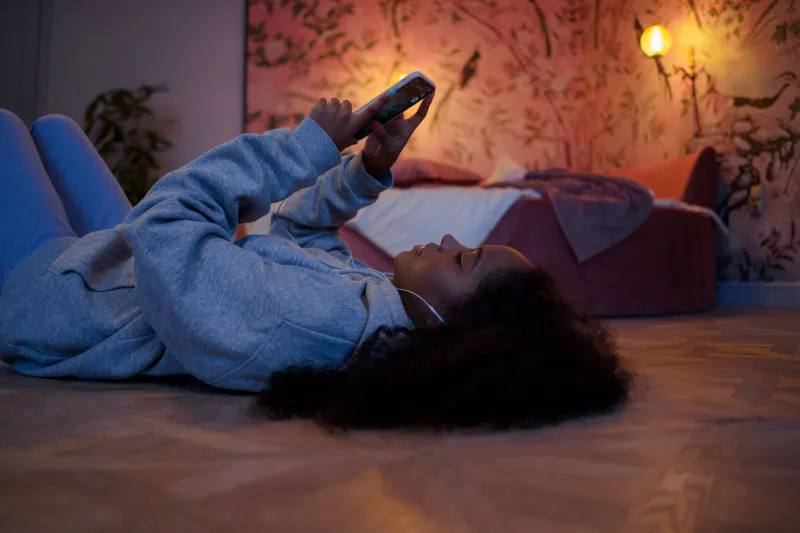
Somewhere in suburban Ohio, a 16-year-old named Maya has memorized every lyric to a song she can't fully translate. The artist is based in Jakarta. The label is nonexistent. The song has never touched American radio. And yet Maya has streamed it 400 times, bought a hoodie from the artist's Shopify store, and organized a fan Discord server with 2,000 members across six countries.
This is not a fluke. This is the new music industry — and it's being built entirely without the people who used to run it.
The Algorithm Doesn't Care About Your Distribution Deal
For decades, the path to American ears was brutally linear: sign with a label, secure radio placement, maybe land a sync deal on a TV show, and hope a late-night performance sealed the deal. The gatekeepers were real, and they had addresses in Los Angeles and New York.
Then TikTok showed up and threw the whole map in the trash.
The platform's recommendation engine — notoriously indifferent to geography, language, and industry relationships — has a habit of surfacing music based purely on engagement patterns. A 23-year-old producer in Nairobi who layered a hypnotic guitar riff over an Afro-drill beat doesn't need a publicist. He needs 40 seconds of video and the right moment. If the sound hits, the algorithm amplifies it globally, and American teenagers find it the same way they'd find anything else: by doom-scrolling at 1 a.m.
What happens next is where it gets interesting.
Fandoms Built From Scratch, Without a PR Team
The communities that form around these under-the-radar international artists are, in many ways, more intense than anything a traditional label rollout produces. Partly because discovery feels personal. When you find an artist through the algorithm rather than a Spotify editorial playlist or a magazine feature, it feels like you found them — like a secret you're sharing rather than a product being sold to you.
That emotional ownership translates into action. Gen Z fans of artists with zero US backing are doing the grassroots work that used to require entire marketing departments. They're translating lyrics into English and posting them with timestamps. They're clipping live performance footage and threading it into explainer posts. They're coordinating streaming parties to push songs up regional charts in countries where the artist does have label support, hoping the momentum crosses borders.
Fan accounts for artists based in Lagos, Seoul, and Buenos Aires are being run by teenagers in Atlanta and Portland who've never left their home state. The parasocial relationship doesn't require a shared language or timezone. It just requires Wi-Fi and a shared obsession.
The Economics Are Wild — and Kind of Beautiful
Here's the part that should make every major label executive put down their coffee: these artists are monetizing directly, and their American fans are paying.
Bandcamp purchases. Patreon subscriptions. International merch shipping. Currency conversion and all. A fanbase of 80,000 highly engaged listeners scattered across North America, Western Europe, and Southeast Asia can generate real income for an independent artist who never cracked a single major market. The math doesn't require a platinum record. It requires loyalty — and that's exactly what these algorithmic discovery communities manufacture.
Some artists are leaning into it deliberately. They're releasing content in multiple languages, pricing merch in USD specifically to capture American buyers, and structuring their rollouts around TikTok virality windows rather than traditional album cycles. They've reverse-engineered the system without ever being inside it.
Labels Are Scrambling — Quietly
The major labels aren't blind to this. They're watching the data, and the data is telling them something uncomfortable: their A&R model, built on scouting local scenes and regional buzz, is increasingly obsolete. By the time a label scout notices an artist trending in the US, that artist already has 200,000 American followers, a sold-out run of limited merch, and zero incentive to sign away their masters.
Some labels are pivoting toward what insiders call "community acquisition" — essentially signing deals with artists after they've already built cross-border fanbases, then trying to scale what already exists. It's a reactive posture, and artists know it. The leverage has quietly shifted.
Others are investing in social listening tools that track international virality patterns before they hit American shores. The goal is to get ahead of the algorithm. But the algorithm, as any Gen Z fan will tell you, doesn't really care about your head start.
What This Actually Means for Music Culture
The deeper implication here isn't just economic. It's cultural. A generation of American music fans is being shaped by sounds, aesthetics, and emotional vocabularies that have nothing to do with the domestic industry's priorities. They're developing taste through international exposure, and that taste is looping back into what they create.
Producers who grew up stanning artists from Brazil or Nigeria are making beats that carry those influences into American contexts. The cross-pollination isn't hypothetical — it's already in the music being uploaded to SoundCloud by teenagers who've never set foot outside the US but whose sonic references span four continents.
Radio didn't do this. A label didn't do this. An algorithm and a generation with genuinely global curiosity did this.
Maya in Ohio might not be able to pronounce her favorite artist's full name. But she knows every breath, every ad-lib, and every production choice on that Jakarta record. And she'll tell anyone who'll listen exactly why it's the best thing she's ever heard.
The industry can catch up whenever it's ready.