Infinite Content, Zero Common Ground: How Streaming Killed the Shared Moment
Remember when everyone showed up to school on Monday morning talking about the same thing? The same episode, the same plot twist, the same song that dropped over the weekend. There was something almost electric about that — the shared gasp, the collective obsession, the feeling that culture was happening to all of us at the same time.
Now try having that conversation. Go ahead. Ask your coworker what they watched last night. Odds are it's something you've never heard of, from a country you might not have thought about, recommended by an algorithm that has been quietly studying their every scroll for the past three years. And they're asking you the same question with the same blank expression.
We are living in the golden age of global content. Technically, this should be incredible.
The Promise Was Real — and So Is the Problem
Let's be fair: the democratization of international entertainment is genuinely one of the most remarkable cultural shifts of the last decade. A teenager in Ohio can fall down a rabbit hole of Thai BL dramas. A college student in Atlanta can discover an underground cumbia revival happening in Buenos Aires. A family in suburban Phoenix can binge a slow-burn Norwegian crime thriller on a Tuesday night. The world really did open up.
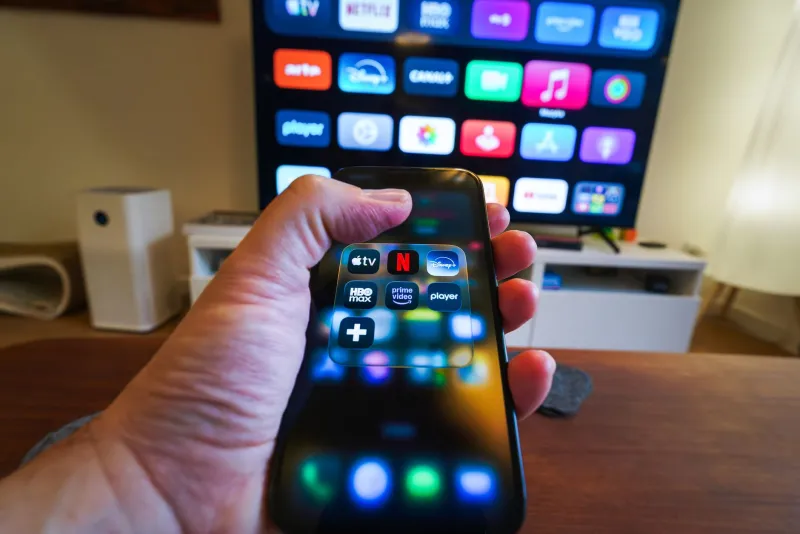
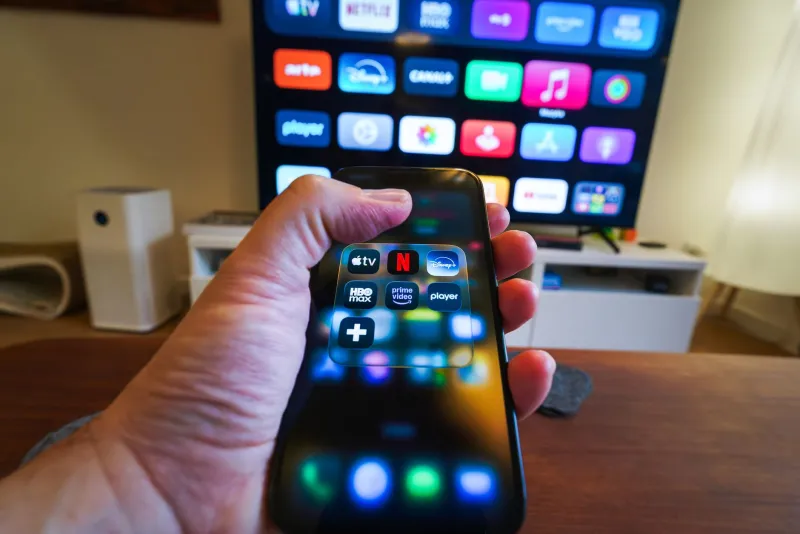
But here's the catch nobody really advertised: when everyone has access to everything, what ends up happening is that nobody is watching the same everything. The sheer volume of available content — across Netflix, Hulu, Disney+, Apple TV+, YouTube, Spotify, and a dozen other platforms — combined with algorithms designed to keep each individual user maximally engaged, has produced something unexpected. Instead of a shared global culture, we got millions of micro-cultures, each one perfectly tailored, each one essentially invisible to everyone else.
The word for this isn't abundance. It's fragmentation.
Your Algorithm Is Not My Algorithm
Here's how the math works against us. Every platform is optimizing for one thing: keeping you watching. Not you and your roommate. Not you and your entire friend group. Just you, individually, in your specific moment, with your specific watch history and your specific emotional state at 10 p.m. on a Wednesday.
The result is that two people sitting in the same apartment, both on Netflix, are essentially living in parallel universes. One person's homepage is stacked with Korean thrillers and documentary shorts. The other's is all reality competition shows and animated series. Neither feed looks anything like the other. Neither person has any idea what the other is watching unless they literally turn the screen around.
This isn't a glitch. It's the whole design. And it works, in the narrow sense that engagement numbers go up. But something else goes down — the kind of spontaneous, accidental cultural overlap that used to be the glue of social life.
The Loneliness Nobody Talks About
There's a specific kind of loneliness that comes from being culturally untethered. It's not the loneliness of isolation — plenty of these hyper-personalized viewers have full social lives. It's more like the loneliness of reference failure. You loved a show so much it genuinely moved you, and you have absolutely nobody to talk to about it because the algorithm served it to you and only you.
Gen Z, ironically, feels this acutely. They grew up with the internet promising connection at scale, and they got it — but the connection often feels thin. Social media is full of people posting about things you've never seen, reacting to moments you missed, building inside jokes around content that never crossed your feed. The global village turned out to have a lot of gated neighborhoods.
And when a genuine shared moment does break through — a Taylor Swift album drop, a Beyoncé surprise release, a finale that everyone somehow watched at the same time — the reaction is almost visceral. People hunger for it. The comment sections explode not just because the content was good, but because everyone is there at once, experiencing the same thing, and it feels like something that used to be normal but has quietly become rare.
Global Content, Local Isolation
There's a cruel irony buried in all of this. The very forces that brought international music and television to American audiences — sophisticated recommendation engines, personalized playlists, curated homepages — are also the forces making it harder to have a conversation about any of it.
You might be deeply into Afrobeats right now. Your best friend might be obsessed with a Philippine teleserye. Your coworker just discovered an entire ecosystem of French rap they never knew existed. All of that is genuinely exciting. But because each of those discoveries happened through a private algorithmic pipeline, there's no shared on-ramp. No moment where everyone heard the same thing at the same time and turned to each other.
The old gatekeepers — radio programmers, TV network executives, magazine editors — were limited and often exclusionary. Getting rid of them was, in many ways, a good thing. But they did serve one function worth acknowledging: they created common reference points. When the same five songs were on every radio station, you knew them whether you liked them or not. That's gone now, and nobody's quite figured out what replaces it.
Can We Find Our Way Back?
Some people are trying. There's a growing counter-movement — mostly among younger audiences — toward intentional communal viewing. Watch parties, Discord servers built around specific shows, Spotify listening sessions shared in real time. People are essentially trying to manually recreate the watercooler moment that the algorithm accidentally destroyed.
There's also something interesting happening with live events. Concerts, sports, award shows — anything that happens in real time and can't be paused or personalized — are drawing intense cultural energy precisely because they're one of the last spaces where everyone is watching the same screen at the same moment. The Super Bowl halftime show still gets talked about for weeks. Not because it's always the best performance of the year, but because everyone saw it together.
Maybe that's the answer, or at least part of it. Not abandoning the incredible access that streaming has given us to global culture — that would be throwing away something genuinely valuable — but being more intentional about creating shared moments within it. Recommending things to each other instead of just waiting for the algorithm to do it. Watching something because your friend told you to, not because a machine decided you'd like it.
The content is out there. The whole world is out there, honestly — more accessible than it's ever been. The question is whether we're going to experience it alone in our perfectly optimized bubbles, or whether we're going to figure out how to share it again.
Because a great show watched alone is just entertainment. A great show watched together is culture. And right now, we could really use more of the latter.