She Speaks K-Beauty, Anime, and Melanin Magic — All Before Noon
Somewhere between a 12-step skincare routine inspired by Seoul and a TikTok fit that screams main character energy from a Studio Ghibli film, a 17-year-old in Atlanta is just getting ready for school. She's not having an identity crisis. She's not appropriating anything. She's just being herself — and herself happens to be fluent in about four different global aesthetic languages at once.
This is the generation that grew up with the entire world in their pocket. And it shows.
The Old Rules About Identity Don't Apply Anymore
For older generations, personal style tended to signal tribal allegiance. You were punk or preppy. Hip-hop or indie. The aesthetics you wore told people which table you sat at. Cultural crossover happened, sure, but it was slow, deliberate, and often controversial.
Gen Z didn't get that memo — or they got it and immediately used it as a mood board.
Today's teenagers move between aesthetic worlds with a fluency that would have seemed jarring even fifteen years ago. A Black girl in Houston might swear by her sunscreen-first K-beauty routine, keep a curated anime watchlist that informs how she thinks about storytelling and visual drama, and simultaneously center her sense of self around the very specific, very powerful tradition of Black femme beauty culture. Not sequentially. All at once. As one unified self.
Psychologists call the mental flexibility required to operate across cultural contexts "code-switching," but that term was originally coined to describe the exhausting labor of adapting to survive in spaces that weren't built for you. What Gen Z is doing feels different. It feels more like fluency than survival. More like play than performance.
K-Beauty Isn't Just a Routine — It's a Philosophy
The Korean beauty wave didn't just sell Americans sheet masks and essence serums. It introduced a whole framework for thinking about skin: patient, layered, preventative, and deeply ritualistic. For a lot of Gen Z girls — especially Black and brown girls who were historically underserved by mainstream American beauty brands — K-beauty offered something radical: a system that actually worked, developed in a culture that took skincare seriously as both science and self-care.
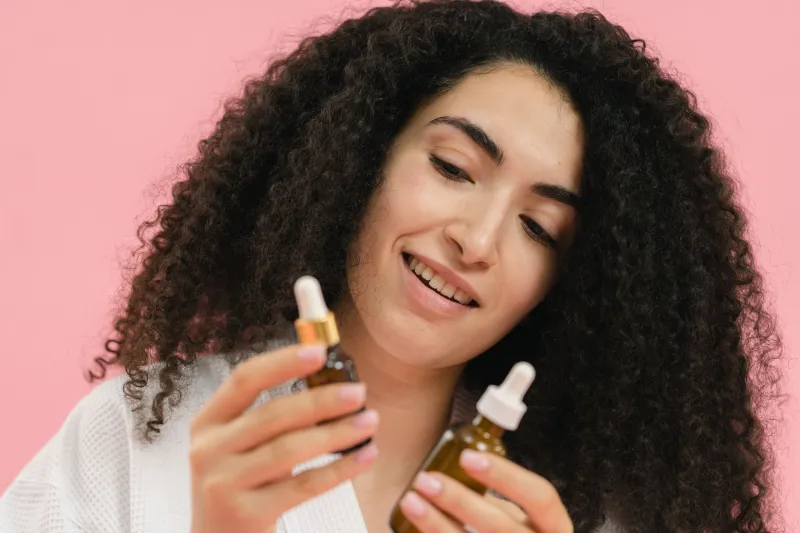
But here's what's interesting. The girls who adopted K-beauty routines didn't abandon their relationship with melanin-specific beauty knowledge. They stacked it. Vitamin C serum from a Korean brand sitting right next to a shea butter edge control. A glass-skin goal that gets filtered through the specific beauty standards and preferences of Black womanhood. The result isn't confusion — it's sophistication.
"I'm not trying to look Korean," one 19-year-old beauty creator told her 200,000 followers in a now-viral video. "I'm trying to have good skin. K-beauty figured out how to do that. I'm just taking notes."
Anime Gave Them a Visual Language
If K-beauty gave Gen Z a skincare philosophy, anime gave them a visual and emotional vocabulary. And its influence on personal style is way more pervasive than people outside the culture realize.
The aesthetic signatures of anime — dramatic color, expressive eyes, an embrace of fantasy within the mundane, characters who are simultaneously soft and powerful — have seeped into how a huge chunk of Gen Z thinks about presenting themselves. It shows up in graphic liner that references shojo manga. In color palettes pulled straight from Sailor Moon. In the way certain creators frame their "get ready with me" videos like an opening sequence.
Anime's cultural influence on American Gen Z isn't just about fandom anymore. It's become a design language. A way of seeing. And because anime itself has always pulled from global aesthetics — African patterns, American hip-hop, European fashion — it functions as a kind of already-hybridized cultural space that Gen Z feels comfortable inhabiting.
Black Girl Magic Isn't One Thing — That's the Point
Here's what gets missed in a lot of conversations about this cultural blending: Black Girl Magic was never a monolith. The phrase — popularized by CaShawn Thompson in 2013 — was always meant to capture the multidimensionality of Black womanhood, not flatten it into a single aesthetic.
Black women have always been global citizens in their beauty and style choices, pulling from African traditions, Caribbean influences, and yes, increasingly, East Asian and South American beauty culture. The Gen Z version of this isn't a departure from Black femme identity — it's an extension of a tradition that was never limited to begin with.
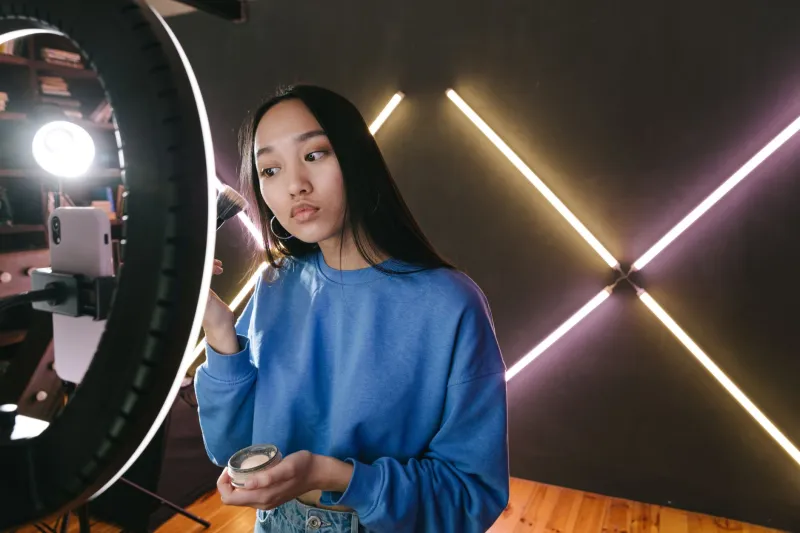
What's new is the speed and visibility. When a Black creator in Chicago posts a skincare routine that references both a Korean beauty blogger and her grandmother's shea butter rituals in the same video, she's doing something culturally complex and historically significant. And she's doing it for fun, on a Tuesday, with ring light and good angles.
Authenticity in a Blended World
The anxiety about all this tends to come from older observers who worry that picking and choosing from global cultures is inherently inauthentic — a kind of aesthetic fast fashion with no roots.
But Gen Z largely doesn't buy that framing. For them, authenticity isn't about staying in one lane. It's about intentionality. About actually engaging with the cultures you're drawing from rather than just grabbing the surface-level stuff. The difference between a teenager who's deeply into J-beauty because she's spent years watching Japanese skincare creators and learning about the philosophy behind it, versus one who just bought a snail cream because it went viral, is a distinction Gen Z is actually pretty good at making.
They're also, notably, pretty good at calling each other out when the engagement gets shallow. The culture has its own internal quality control.
What This Generation Is Actually Building
What we're watching, in real time, is a generation constructing a new kind of identity architecture — one that's layered and global and deeply personal all at once. It doesn't fit the old models. It doesn't fit neatly into marketing demographics or cultural criticism frameworks built for a pre-internet world.
But it's coherent. It's thoughtful. And it's setting the template for what identity looks like when the whole world is your aesthetic reference library.
The girl in Atlanta doing her 12-step routine before school? She's not confused. She's just living in the world as it actually is — and building herself out of the best pieces she's found in it.