They Found It First: How Beauty Creators Are Outpacing the Entire Cosmetics Industry
Let's say it plainly: the traditional beauty industry's gatekeeping era is over. The moment a Taiwanese skincare brand gets 40 million views on TikTok before it's available in a single American store, the old model — where brands decided what consumers wanted, when they got it, and how much they paid — starts to look genuinely fragile.
Beauty influencers didn't set out to disrupt a multi-billion-dollar industry. They were just sharing what worked. But in doing so, they've become the most powerful trend-forecasting engine the cosmetics world has ever seen. And they're operating years ahead of the brands trying to keep up.
The Discovery Pipeline Has Flipped
The traditional path for a beauty product going global used to look like this: a brand developed something, tested it in a domestic market, hired a PR firm, pitched magazines, paid for shelf placement, and waited for consumers to find it. The whole process could take years. The brand held all the cards.
Now? A creator in Phoenix stumbles on a Japanese sunscreen while deep in a Reddit thread about glass skin. She orders it through a third-party importer, films herself trying it, posts the video, and two weeks later it's backordered on every international shipping platform. The brand — which had no American marketing strategy — is now fielding calls from Sephora.
This is not a hypothetical. Some version of this story has played out dozens of times over the past five years. Isntree, Beauty of Joseon, Anua — Korean brands that became American cult favorites before they had a single US retail partner. Tatá Harper getting a second wind from creators who discovered it independently. Ghanaian black soap going from ethnic grocery store staple to mainstream skincare darling, not because of a PR campaign but because enough creators talked about it honestly.
The discovery pipeline has genuinely inverted. Consumers — or rather, the creators who speak directly to them — are now leading, and brands are following.
Why International Markets Are the New Frontier
American beauty culture has long had a complicated relationship with looking abroad. For most of the 20th century, the assumption was that innovation happened here, or maybe in Paris. The rest of the world was a consumer market, not a source.
That assumption is now laughably outdated.
Japan has been running laps on UV protection technology for decades — their SPF formulations are lighter, more cosmetically elegant, and often more effective than American equivalents. South Korea industrialized the concept of skincare as a complete lifestyle system, not just a product category. Brazil has an entire cosmetics ecosystem built around Amazonian botanicals that the American market is only beginning to understand. West Africa has centuries of beauty knowledge embedded in ingredients like shea, baobab, and African black soap that mainstream brands are suddenly very interested in — though the creators who amplified those ingredients were often Black American women reconnecting with heritage practices.
The creators who are paying attention to these markets aren't just finding good products. They're doing genuine cultural and scientific research, often with more rigor and honesty than the influencer marketing campaigns brands pay for.
The Importer Economy Nobody Talks About
There's a whole shadow economy that makes this possible, and it almost never gets covered. A network of small import businesses, specialty online retailers, and yes, individual resellers on eBay and Amazon has made global beauty accessible to American consumers long before brands arrive officially.
Creators have leaned into this infrastructure hard. Haul videos featuring products shipped directly from Japan or sourced from Korean beauty specialty sites have built entire audience bases. The viewers who watch these videos aren't just passive consumers — they're active participants in a global beauty discovery community that shares shipping tips, import duties workarounds, and reviews in real time.
Brands, when they eventually do arrive in the US market, are often surprised to find an already-educated consumer base waiting for them. The homework has been done. The audience knows the ingredients, the texture, the finish. They've watched forty videos about it. They're ready to buy.
What the Industry Is Getting Wrong About This
The corporate response to this phenomenon has been... mixed. Some brands have been genuinely smart about it — watching creator content, identifying what's gaining traction, and moving to formalize distribution before the organic hype fades. Others have been slower, or worse, have tried to replicate the energy of organic discovery through paid influencer campaigns that feel exactly as manufactured as they are.
The savvier creators can smell a paid partnership that doesn't match a creator's actual taste from miles away, and so can their audiences. The authenticity of the discovery pipeline is its whole value proposition. When brands try to manufacture that feeling rather than participate honestly in it, they often undermine the very thing they're trying to leverage.
There's also a thornier conversation happening about credit and compensation. When Black creators amplify West African beauty traditions and those ingredients suddenly become a trend, who benefits? When Asian American creators spend years building audiences around J-beauty and K-beauty before those categories become mainstream, do they get the brand deals when the big money arrives — or do brands go looking for creators with more "mainstream" appeal? These are questions the industry hasn't answered well.
The New Beauty Tastemakers
What's emerging from all of this is a new class of beauty authority — not the editor at a glossy magazine, not the brand-sponsored celebrity, but the creator who has genuinely done the research, tried the products, built the trust, and developed real expertise in navigating global beauty markets.
They're operating with a kind of cultural curiosity that's fundamentally good for consumers. They're pushing American audiences to think beyond the products marketed directly to them, to ask why certain innovations exist in other markets and not here, to be skeptical of domestic brand claims when international alternatives are doing more for less.
The cosmetics industry is worth hundreds of billions of dollars globally. The slice of that controlled by American brands is shrinking, not because American companies are failing, but because consumers now know there's a whole world of options they were never told about.
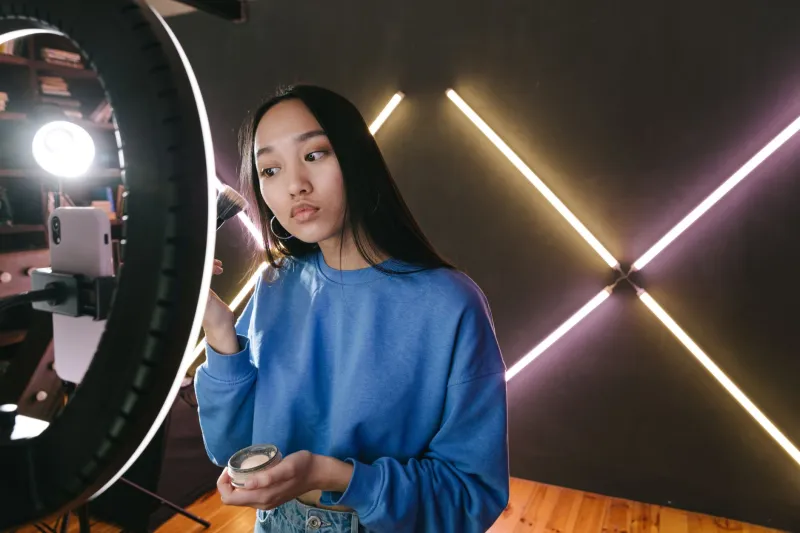
And they found out from a creator in her bathroom, filming on her phone, genuinely excited about a $12 sunscreen from Tokyo.
The gatekeepers didn't lose their keys. The creators just built a new door.